Answer-first
What happens on this page?
Users compare platform cards such as commuter, cruiser, retro, supersports, off-road, or EV programs and then open the closest 3D review environment.
Choose the closest seat platform, compare trim direction, and create a shared review reference for engineering, sourcing, and design teams.
The selector page helps users choose the closest seat platform before entering the interactive 3D studio. It is meant for B2B design review, trim comparison, and program communication rather than online shopping.
Answer-first
Users compare platform cards such as commuter, cruiser, retro, supersports, off-road, or EV programs and then open the closest 3D review environment.
Answer-first
The selector lets engineering, sourcing, and design teams align on seat architecture and trim direction before sending a more precise RFQ.
Answer-first
The result is a review artifact for seat architecture, leather mix, and stitching intent. It is not a retail product page or checkout flow.
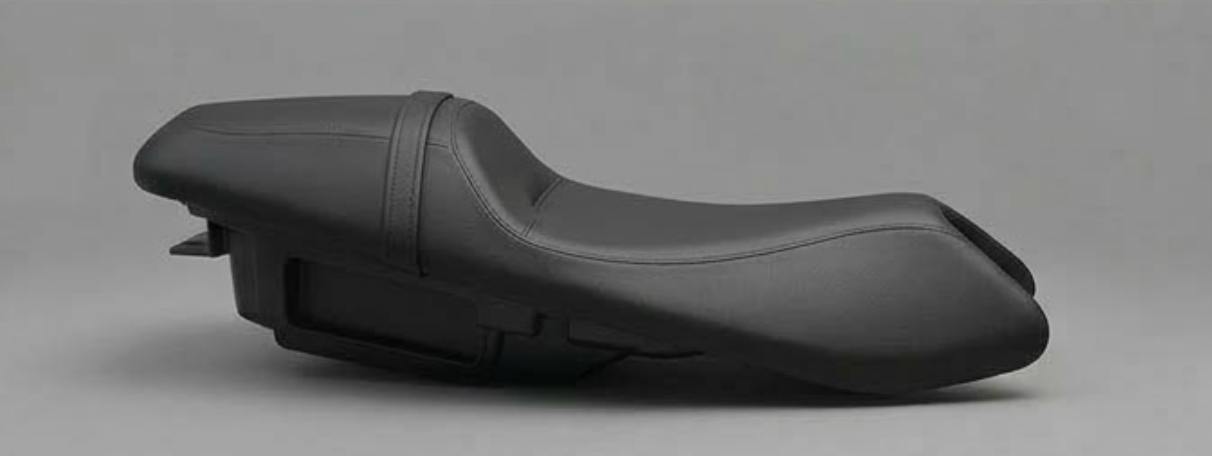
Electric mobility seat architecture
For connected EV scooter seat assembly supplier programs, urban mobility launches, and compact packaging studies.
Open 3D Review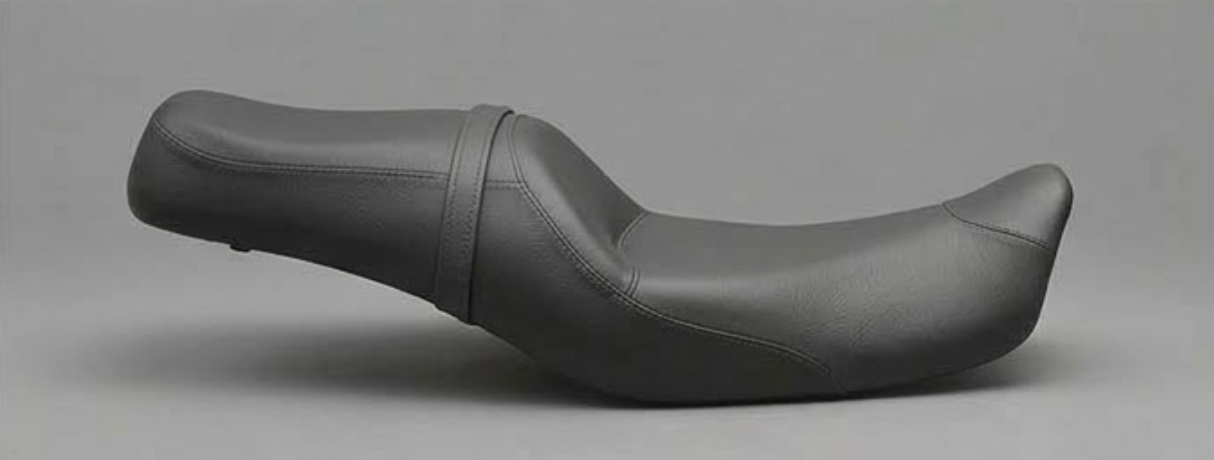
Multi-volume commuter program
For motorcycle seat OEM / ODM programs with multiple trim levels and fast sample iteration requirements.
Open 3D Review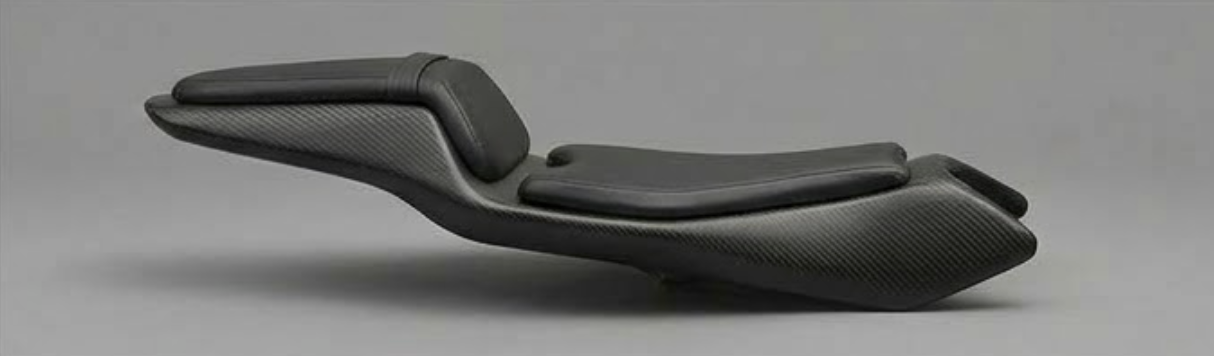
High-performance seat geometry
For aggressive rider package studies, lightweight trim packages, and premium performance seat development.
Open 3D Review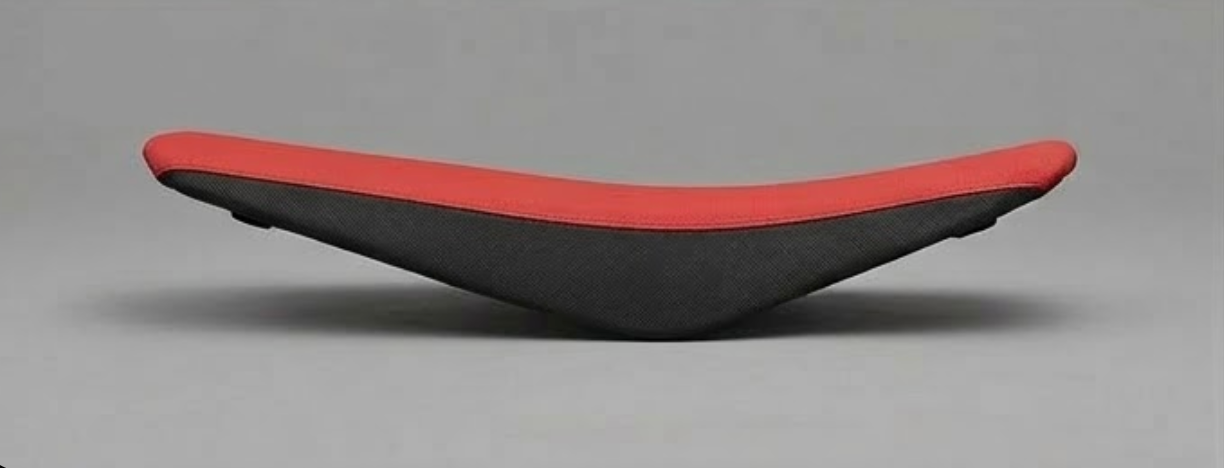
Narrow profile / rider movement
For high-grip textures, standing posture transitions, and narrow-profile off-road seat programs.
Open 3D Review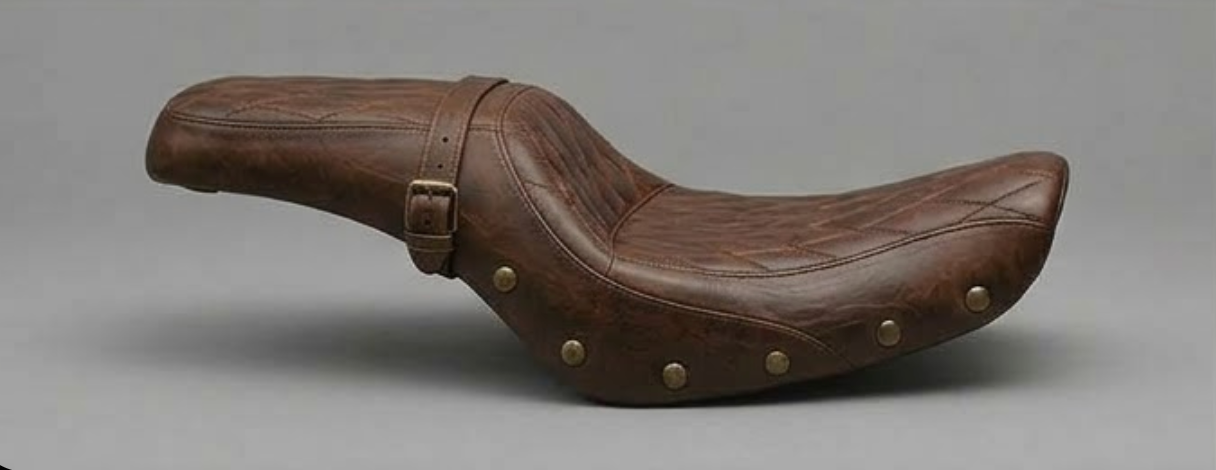
Comfort-led large silhouette
For premium cover programs, large silhouettes, and adjustable backrest motorcycle seat concepts.
Open 3D Review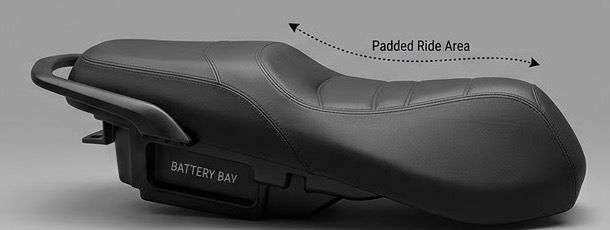
Long-distance support package
For two-up comfort, luggage-ready seat packaging, and modular long-distance platform reviews.
Open 3D Review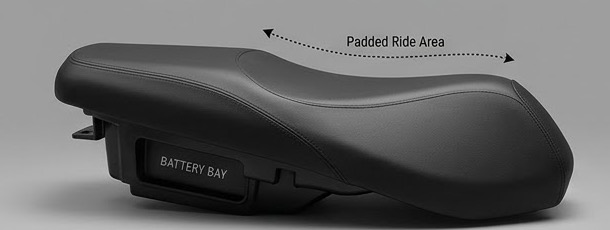
Urban step-through package
For EV scooter seat assembly supplier programs with storage, ergonomics, and packaging constraints.
Open 3D ReviewChoose the closest seat architecture for your program or benchmark.
Swap texture logic and stitching to align design intent before sample cutting.
Save a visual specification and continue the discussion via the project quote workflow.
What It Supports
No. It is part of Huixing's B2B digital co-creation workflow for seat development and quotation preparation.
Yes. The selector is intentionally platform-based so teams can start with the nearest architecture even before a fully custom model is prepared.
Styling teams, sourcing teams, distributors, and engineering reviewers all benefit when they need a fast common visual reference before deeper technical exchange.